Introducing Aurata - New 4G LTE / NB-IoT SMD Embedded Antenna
5G Antennas
Embedded 5G Antennas for Reliable Device Integration
5G enables higher data rates, lower latency and greater network capacity for industrial IoT, connected healthcare, smart infrastructure and other data-intensive applications. Achieving these benefits within a compact electronic device depends on more than selecting a compatible antenna. PCB layout, available ground plane, antenna position and surrounding components all influence real-world RF performance. Antenova offers omnidirectional internal FPC antennas and laminate SMD embedded 5G antennas engineered for integration into space-constrained products operating across sub-6 GHz 5G and cellular frequency bands.
Which 5G frequencies do embedded antennas support?
5G New Radio (5G NR) uses a broad range of spectrum, but most embedded industrial and IoT devices rely on sub-6 GHz bands rather than short-range millimetre-wave frequencies. These bands provide a practical combination of coverage, building penetration, network capacity and data speed.
Wideband embedded antennas can support several regional 5G bands within one compact design and may also cover legacy cellular frequencies needed for 4G LTE fallback. Devices requiring compatibility across both network generations can therefore combine 5G performance with access to established 4G LTE / NB-IoT connectivity where 5G service is unavailable or limited.
What affects embedded 5G antenna performance?
The host device forms part of the complete antenna system. PCB dimensions and ground-plane availability can affect antenna bandwidth and efficiency, while nearby batteries, displays, metal shields and other components may detune the antenna or distort its radiation performance. Enclosure materials and final installation conditions must also be considered during development.
5G devices may use multiple antenna elements to support diversity or MIMO operation. Maintaining sufficient separation and managing coupling between antennas are therefore important considerations in compact designs. Evaluating antenna placement and matching early helps reduce integration risk and avoid costly PCB or enclosure changes later in the certification process.
All Antenova embedded antennas use omnidirectional radiation patterns, helping connected devices maintain reliable communication when their orientation or relationship to the network changes.
Which applications use embedded 5G antennas?
Embedded 5G antennas are used in industrial gateways, private network equipment, smart factories, healthcare devices, security systems, asset-tracking platforms, transportation equipment, edge computing devices, high-speed routers and connected infrastructure. They are particularly valuable in compact products that require increased cellular capacity or lower latency without using an external antenna assembly.
Why choose Antenova?
Antenova combines embedded antenna technology with specialist RF integration support. Our engineers help customers assess antenna selection, PCB layout, ground-plane requirements, placement, matching and multi-antenna interaction within the finished device. This integration-led approach helps manufacturers improve wireless performance, reduce development risk and accelerate the path from initial design to production.
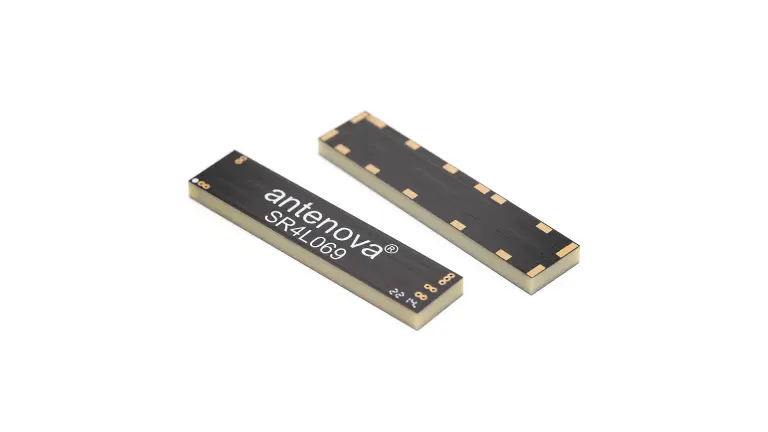
Allani
SR4L069 - Embedded 5G NR / Cellular / LPWA Passive FR4 Chip Surface Mount SMD Antenna.
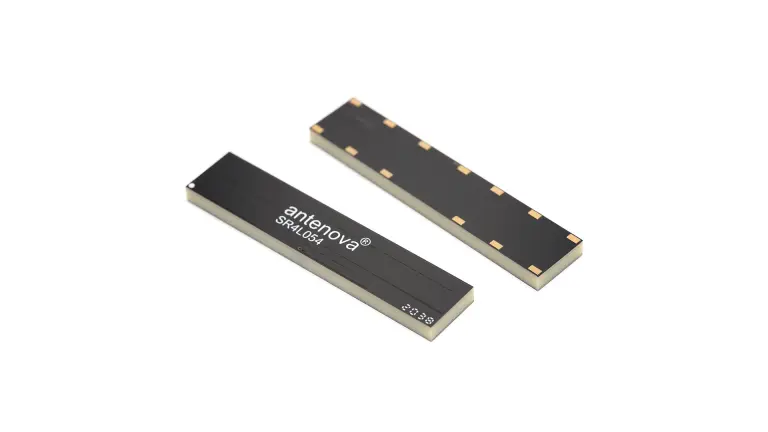
Lepida
SR4L054 - Embedded 5G NR / Cellular / LPWA Passive FR4 Chip Surface Mount SMD Antenna.
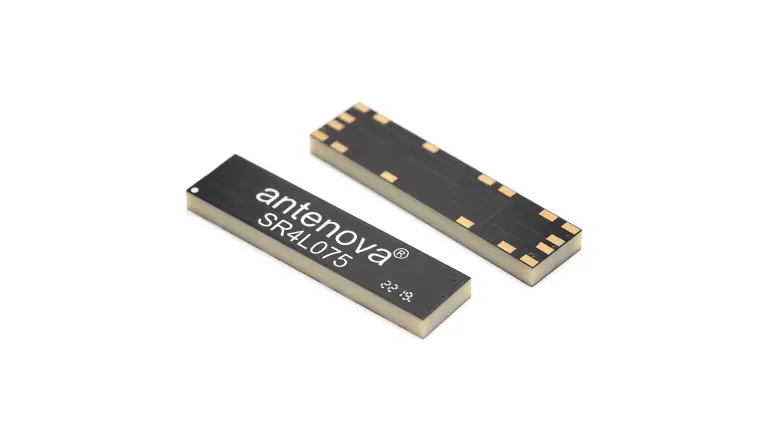
Minima
SR4L075 - Embedded 5G NR / Cellular / LPWA Passive FR4 Chip Surface Mount SMD Antenna.
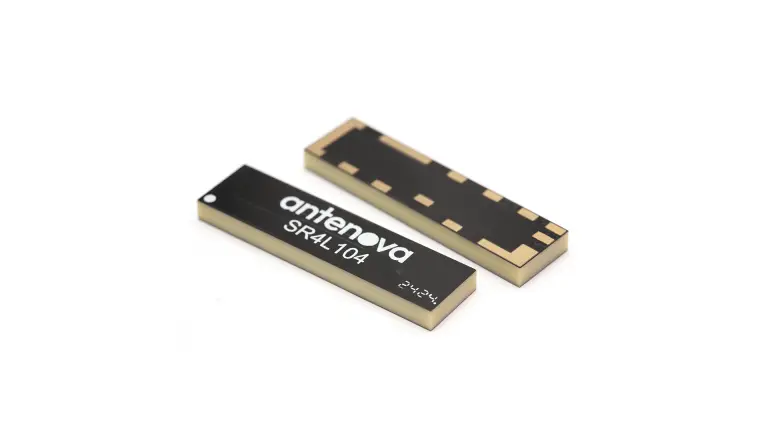
Opaca
SR4L104 - Embedded 5G NR / Cellular / LPWA Passive FR4 Chip Surface Mount SMD Antenna.
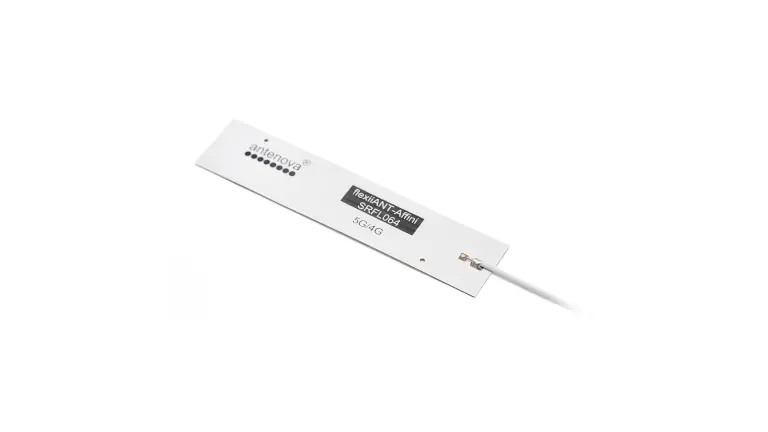
Affini
SRFL064 - Internal 5G NR / Cellular / LPWA Passive Self-Adhesive Flexible PCB Antenna.
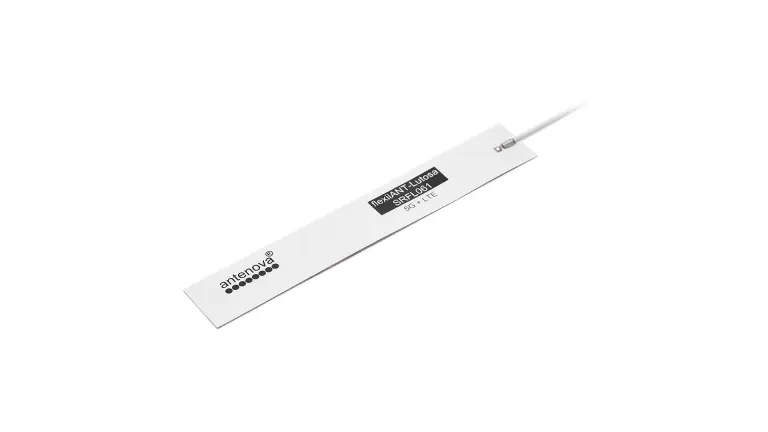
Lutosa
SRFL061 - Internal 5G NR / Cellular / LPWA Passive Self-Adhesive Flexible PCB Antenna.
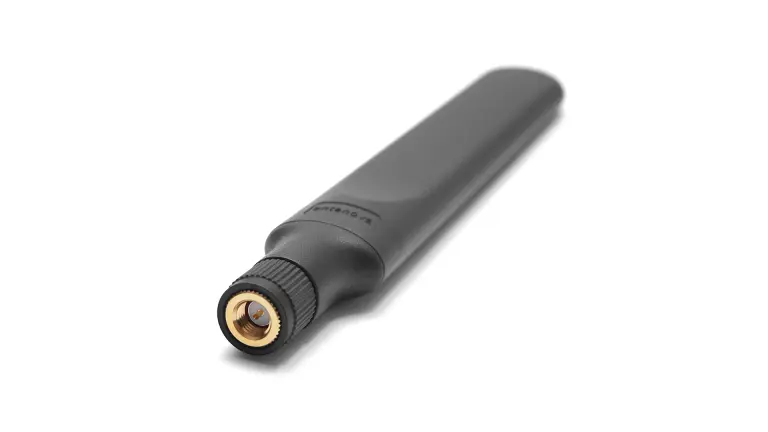
Rabo
SREL062 - External 5G NR / Cellular / LPWA Passive Connector Mount Antenna.