Cellular antenna guide

Cellular antennas
The demand for wireless devices that are compact, efficient and connect over large distances is continuing to grow. Cellular networks play a key role in servicing this new demand, given their fast speeds, low latency and 3G, 4G/LTE and 5G cellular bands. Cellular antennas are the solution to providing a reliable connection, with suitable bandwidth, efficient performance and long range connections to devices across industries.
What are wireless cellular technologies?
Wireless cellular technologies - 2G, 3G, 4G/LTE and 5G are licensed technologies with a dedicated mobile telecommunications infrastructure – maintained, operated and under the license of numerous network operators worldwide.
Cellular antennas are built to connect via these licensed frequency bands. They operate well for everything from handheld devices, wearables, industrial equipment and sensors. However, for a device to use these licensed frequencies, they must pass a network approval and achieve certification. This requires a focused approach to antenna selection, integration and device design, all with the resulting wireless performance parameters in mind.
Challenges of sacrificing battery life for speed and PCB space in these industries are prevalent. That said, the small ground plane size of cellular antennas has little impact on their performance and makes them the perfect solution to these hurdles.
69 countries
have 5G networks available as of June 2021, via 169 mobile operators
60%
increase in the number of countries with 5G deployments in 2020
What is network approval for cellular devices?
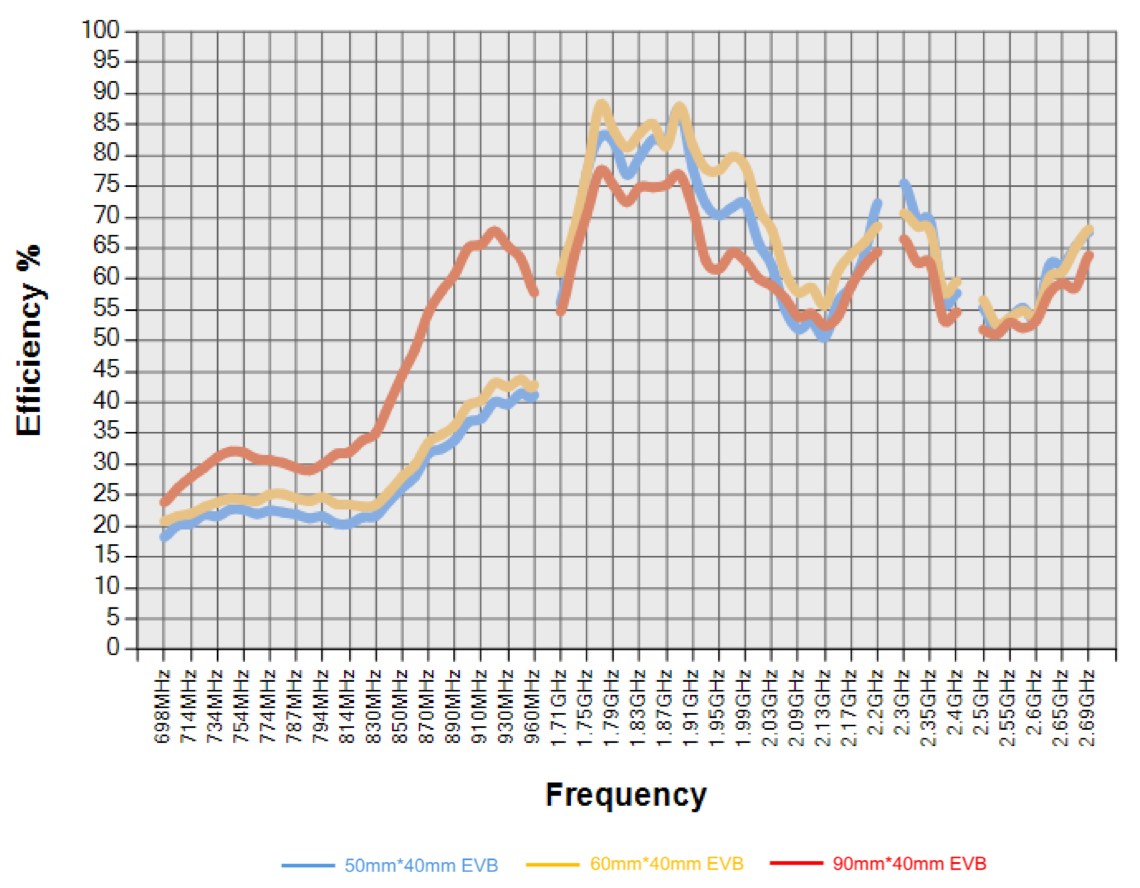
Achieving carrier (network) certification can be a lengthy and costly process for brand new designs – however, no device can connect without it. Small devices are particularly susceptible to suffering from poor performance, and one reason for this is the size of the ground plane. A ground plane is the conducting surface that construes part of the antenna, normally your PCB area local to your antenna. In small, compact devices, this free space that constitutes the ground plane cannot always be afforded: compromising on wireless performance. Ground plane length directly correlates with performance – a relationship we explore in our industry-defining Mission Impossible paper.
What are the key features of cellular antennas?
Compact, saving on PCB space
The compact nature of cellular antennas makes them a great choice for a range of devices. They save valuable PCB space without major sacrifice to efficiency, speed or latency, making them perfect for miniature wireless devices.
High-performance design
Because of their ground plane size and frequency bands, cellular antennas can be used over vast distances whilst still maintaining the same reliability in speed and latency. Through the use of fast networks such as LTE, GSM, CDMA, DCS and PCS, cellular networks can have fast speeds over extreme distances, which is especially the case for 5G connectivity.
Easy to integrate
The characteristics of 3G, 4G/LTE and 5G each benefit different applications and devices. 3G and 4G both offer the smallest ground planes whilst maintaining high efficiency and long range, making them perfect for medical chips and microdevices. On the other hand, 5G offers an extreme boost to speed (100 times faster than 4G) and significantly lower latency (1ms), whilst also boasting greater bandwidth. The flexibility of cellular antennas through being able to use multiple connections makes them easy to integrate into a wide range of applications and industries.
Cellular antenna applications
Long range
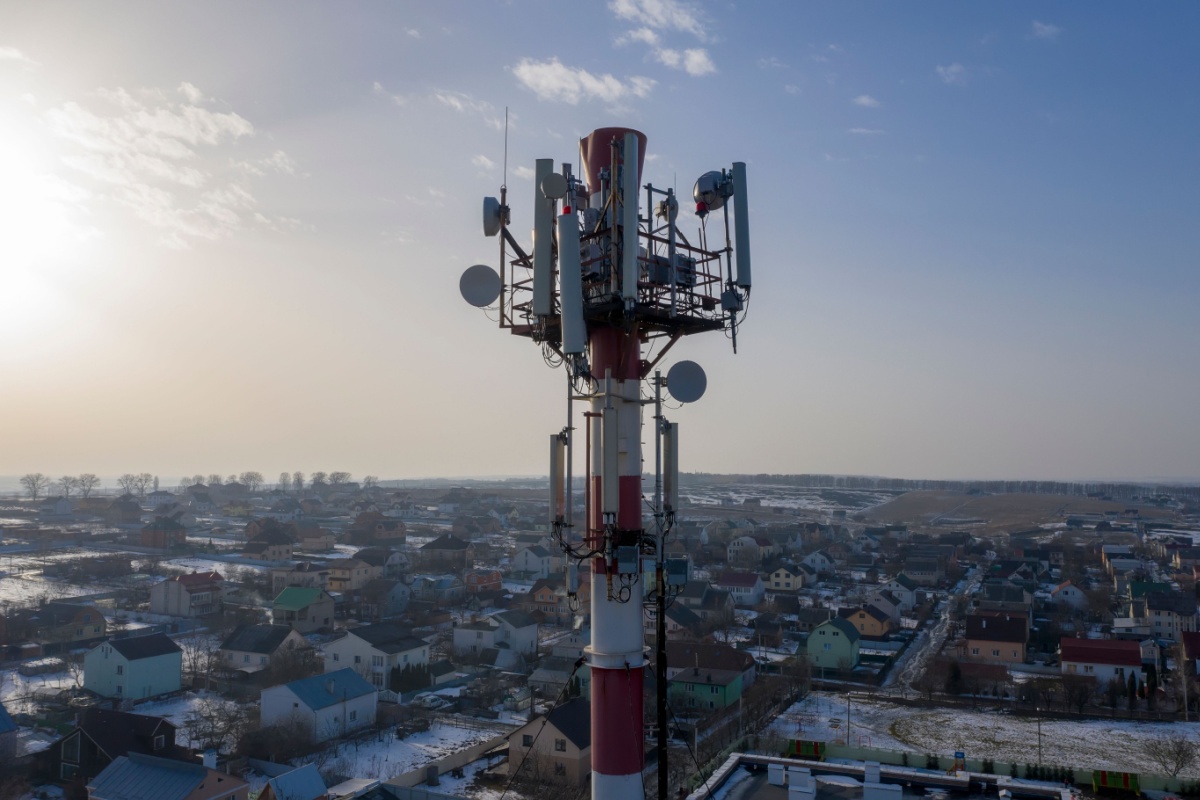
Their long range capabilities have seen widespread use in smart grids and intelligent transport systems. Devices that do not necessarily need superior data transfers like petrochemical plants and vending machines also benefit from the range that cellular antennas provide.
Fast speeds

IoT devices that require fast speeds at low latency can take advantage of 5G connectivity. Compared to 4G, 5G offers 1000 times larger bandwidth per unit area, up to 100 times faster speeds and extremely low latency at 1ms making it perfect for industrial applications that need automated and efficient production.
Compact size

Miniature technologies like chips and sensors also see many benefits from cellular antennas, especially those in remote applications like ventricular assist devices for medical patients. The compact and long lasting batteries of these products results in sustained service without maintenance or short-term complications.
What are the best cellular antennas?
Deciding on the right antenna for a cellular device is paramount to success in its respective application. Understanding the right frequency band, ground plane and speed for a device is necessary in finding the perfect choice of antenna.
Antenova offers a wide range of cellular antennas that provide the perfect properties for a multitude of IoT applications. We have cellular antennas that support 3G, 4G/LTE and 5G that are a future-proof choice for designs that will migrate to 5G in their lifetime. Antenova antennas have outstanding performance, efficiency and small ground planes to enable maximal flexibility in device design.
SMD
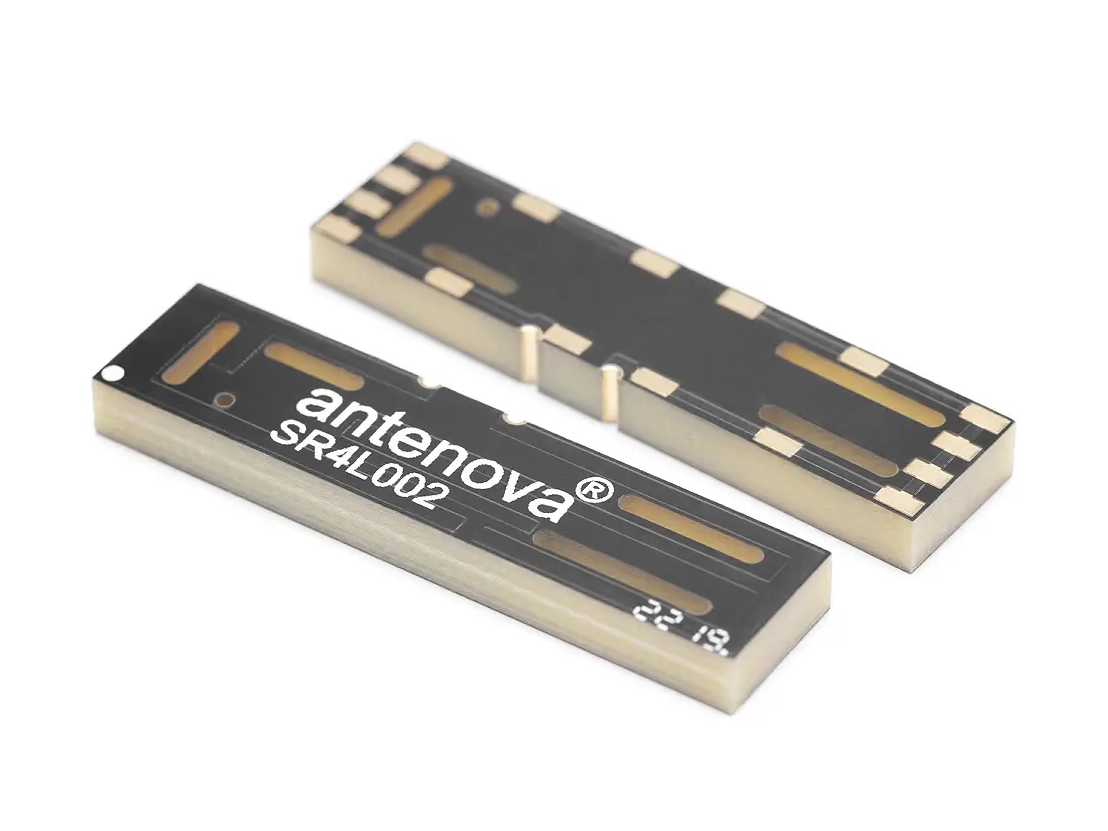
SMD antennas are directly mounted onto the surface of a PCB. These types of cellular antennas have the smallest ground planes and are perfect for compact IoT applications.
Our Pharaoh is an SMD cellular antenna that has the smallest ground plane (60-50mm) out of all our 4G models. It has a ready to fix design and boasts fantastic efficiency and performance for its compact size. Pharaoh is the perfect choice for a wide range of devices due to its ease of implementation, small ground plane, and excellent performance.
View our range of SMD Antennas
FPC
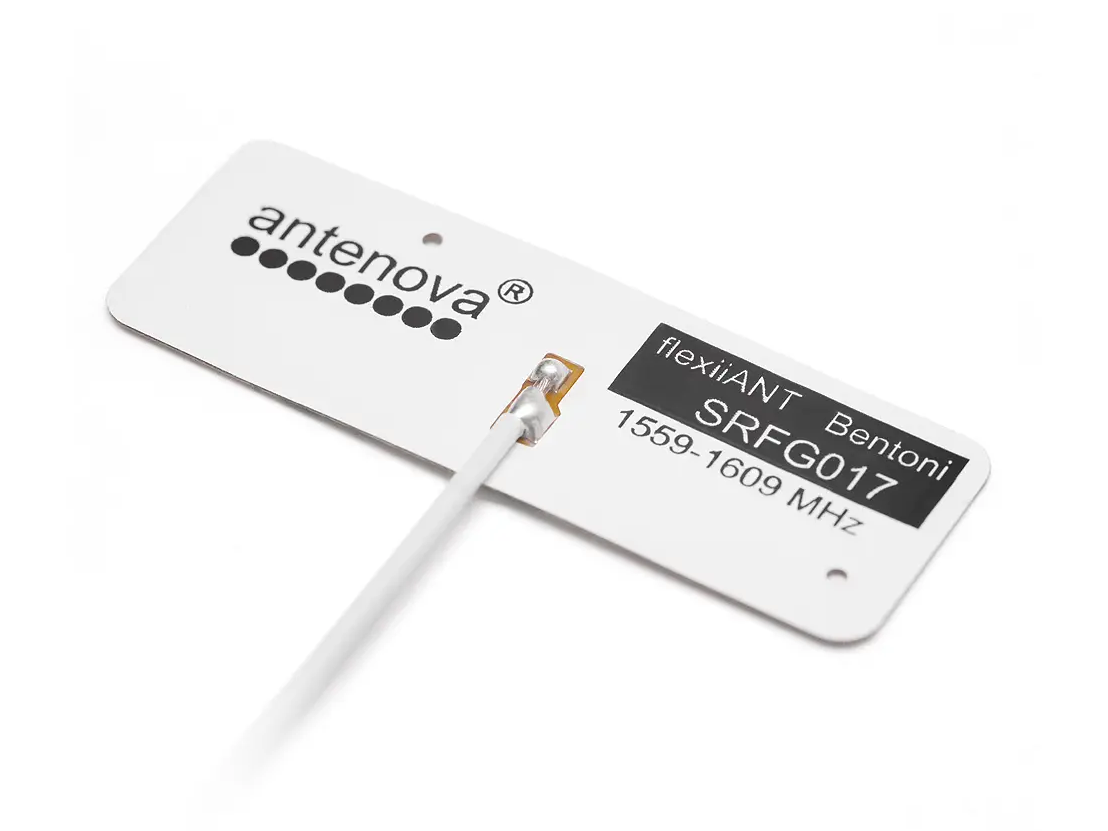
A flexible printed circuit board (PCB) antenna is thin and flat with an adhesive back. These cellular antennas are flexible and can be affixed to a device in a number of ways without using a ground plane, making them a versatile choice for specific applications.
Our Affini antenna is the perfect example of the versatility that FPC models provide. It is easy to integrate as the host PCB ground is not used and has high efficiency that covers most 4G and 5G bands.
View our range of FPC Antennas
Terminal
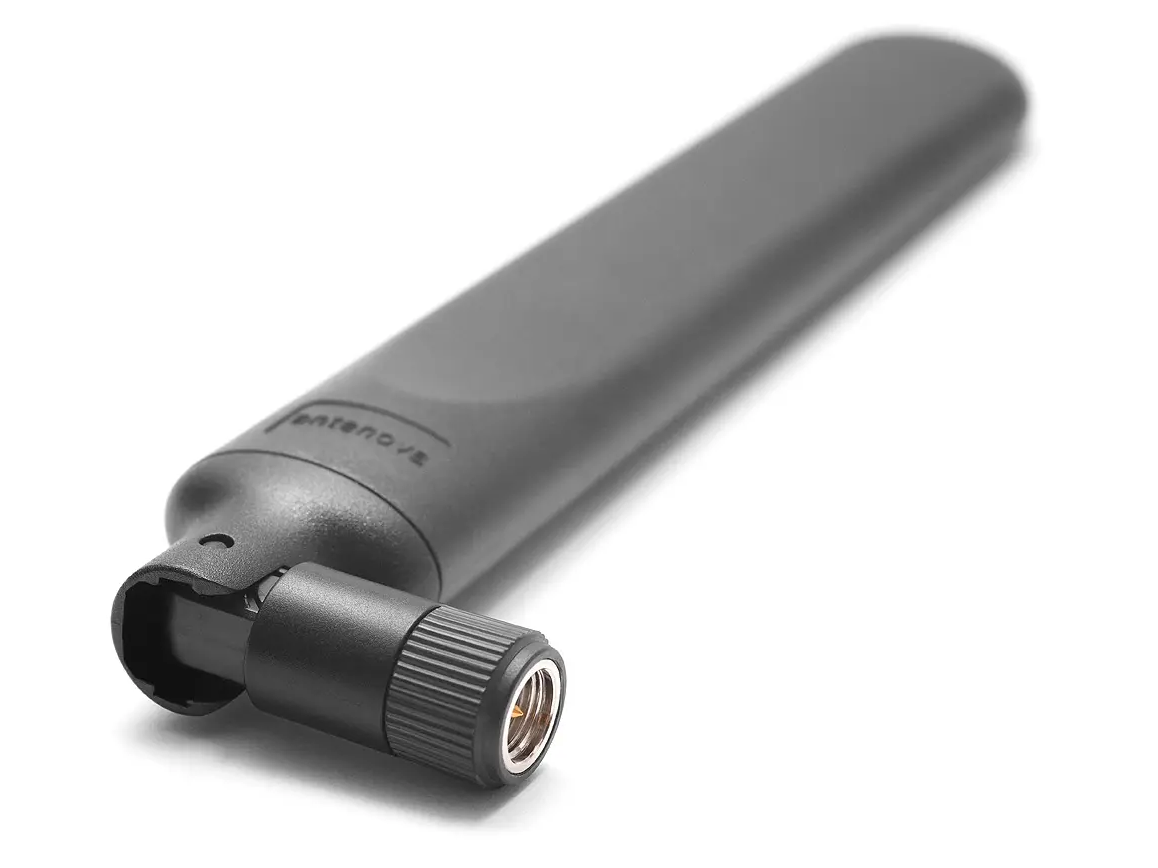
Terminal (sometimes known as external) antennas are typically located outside of the device’s housing, offer greater efficiency levels and outperform embedded cellular antennas across most RF parameters.
Our Draco terminal antenna boasts very high performance and efficiency. Its ergonomic styling blends well with the exterior of a device and works efficiently in various ground planes and/or in free space. Our models SREL036-IPP and SREL036-xxP are also waterproof rated to IP67, making them a fantastic choice for a range of devices that require an external cellular antenna.
View our range of Terminal Antennas